Enabling an effortless and rewarding sustainable shopping experience that helps users make conscious choices.

My Role
UX Designer
Tools
Jira, Figma, Miro Board
Responsibilities
User Research
User Experience Design
User Interface Designer
Problem
Consumers are becoming more conscious about sustainability, but many still struggle to make informed shopping decisions due to limited awareness and unclear product information. With millions of textiles discarded every year and growing demand for sustainable brands, there is an opportunity to create solutions that encourage responsible and environmentally conscious shopping habits.
Introduction
Created Eco-Score API Integration for Different E-Commerce Platforms. This will generate a score for each product.
Created a Google Chrome Extension for Sustainable Product Comparison Among Various Brands/E-commerce websites, which
Capstone Award Link
Why Solve this problem
Sustainability requires balancing social, environmental, and economic needs for the future. Encouraging conscious shopping habits and choosing sustainable products can help create a more balanced and responsible future.
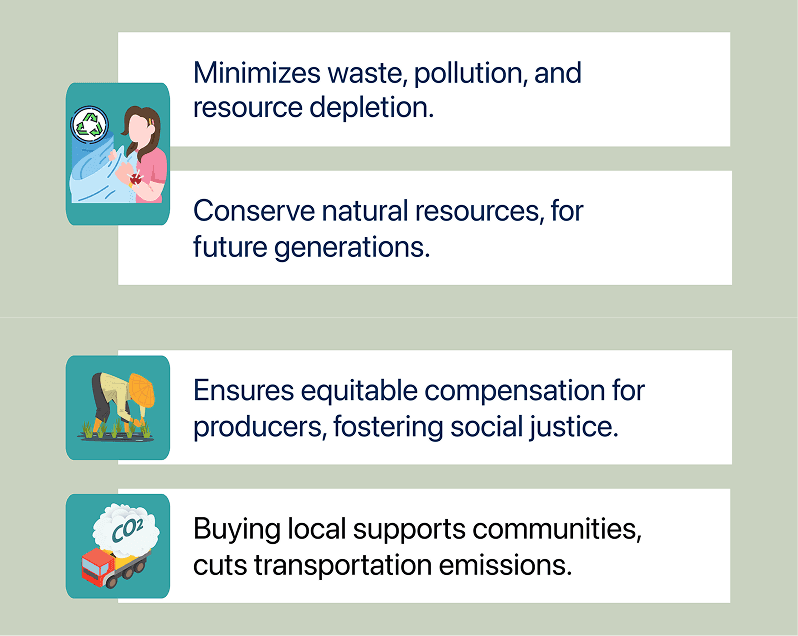
Business adopting sustainability
Many businesses are adopting sustainability. As per Shopify’s Stats:
84% of leaders agree that the world can achieve global economic growth while also reaching climate change goals.
50% of companies are developing new climate-friendly products or services.
Research Overview
Quantitative Study
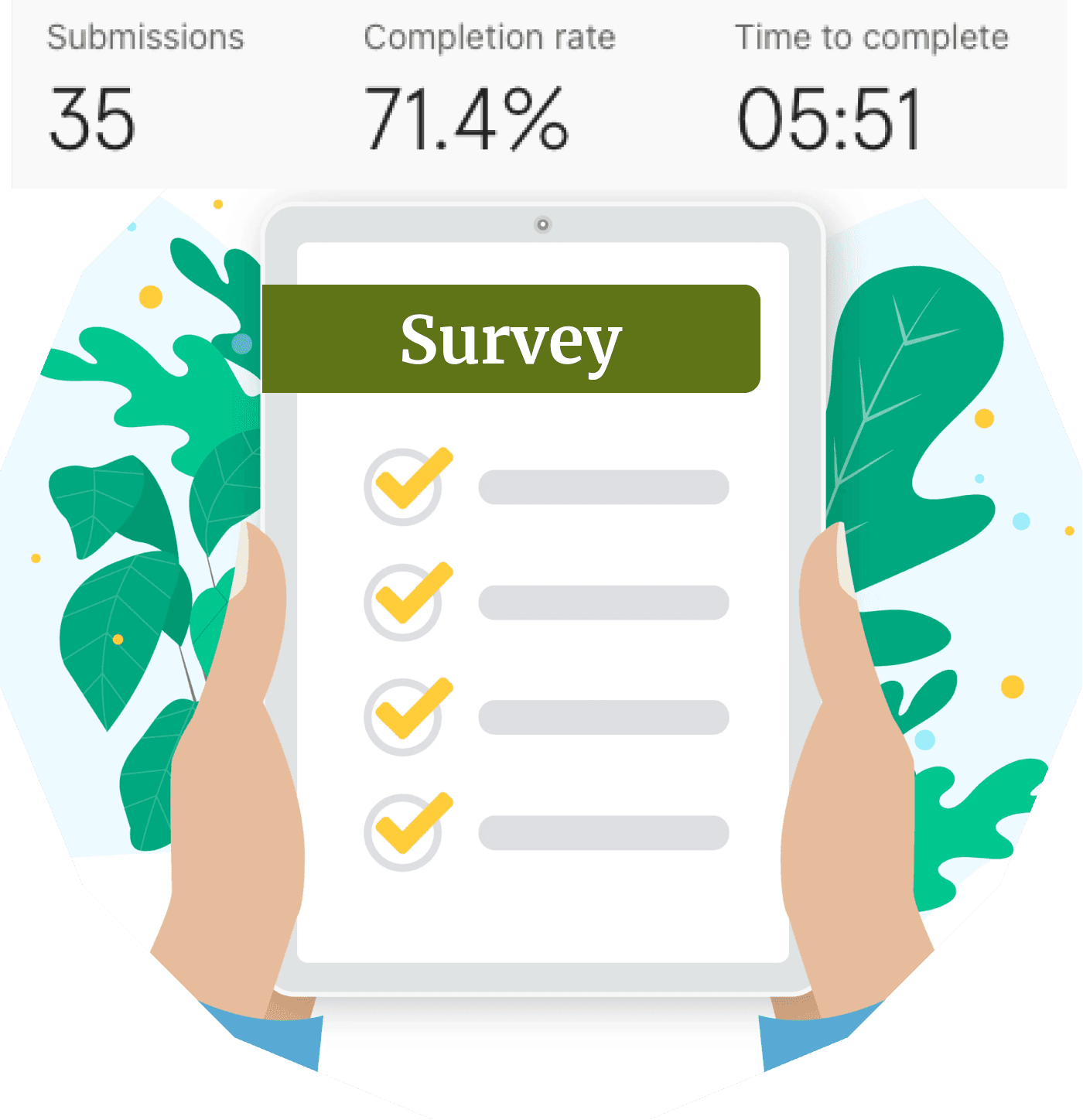
To verify the problem and the need, I conducted a survey to quantitatively gather data on sustainability for e-commerce. 35 users with various shopping habits participated to offer insights into their interest in sustainable shopping preferences. They shared brief thoughts and challenges related to interest in features for a sustainable shopping experience.
97% of the users were interested in seeing the environmental Impact while shopping.
Users ranked #1 waste reduction or usage of recycled materials and # 2 Product sustainability information as a feature important for sustainable shopping.
Qualitative Study
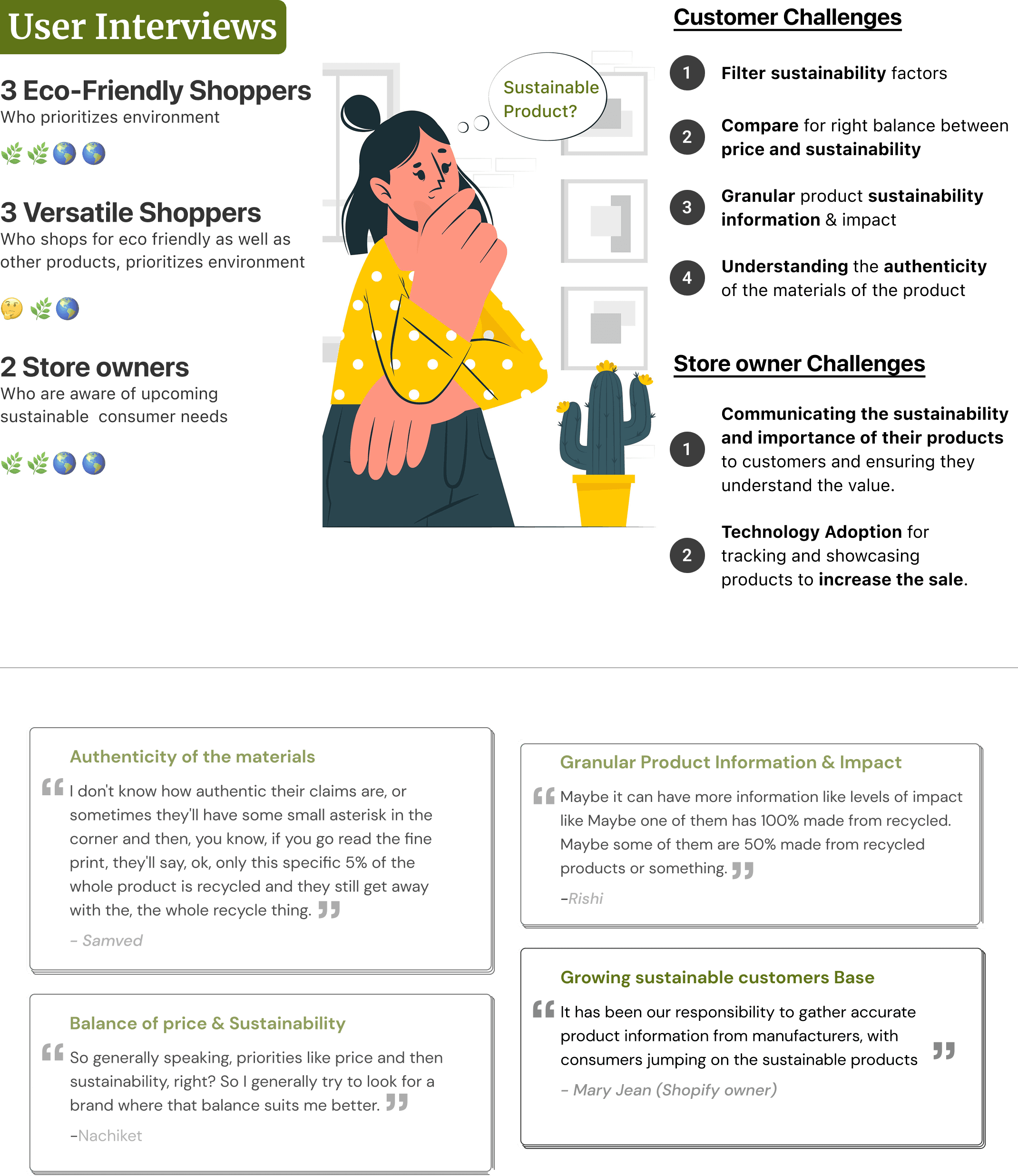
Following the survey, 3 eco-friendly shoppers (those who prioritize the environment) and 3 versatile shoppers (who shop for eco-friendly as well as other products, and prioritize the environment) were selected to participate in a more in-depth study through 1:1 user interviews.
How Might We..
Create a sustainability assessment tool for online shopping, providing transparent information, facilitating informed decisions, and streamlining product comparisons?
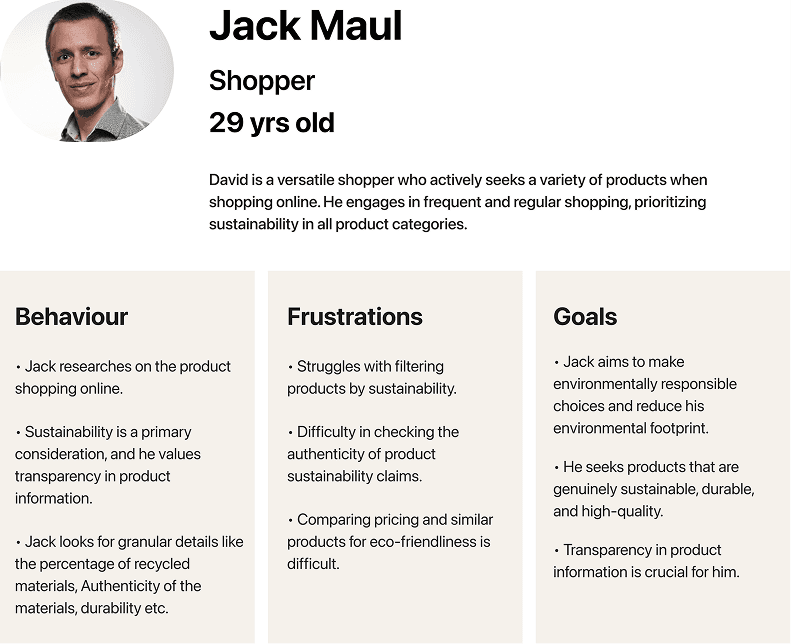
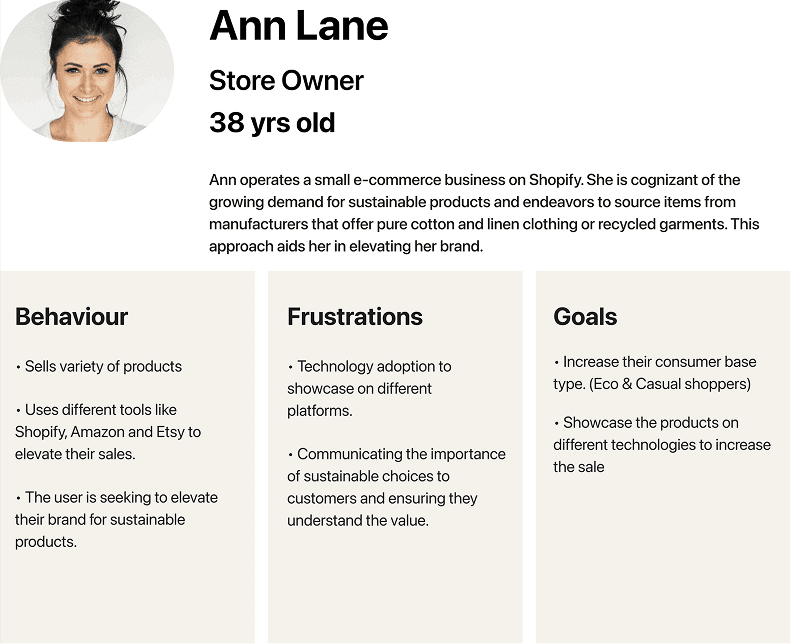
User Persona
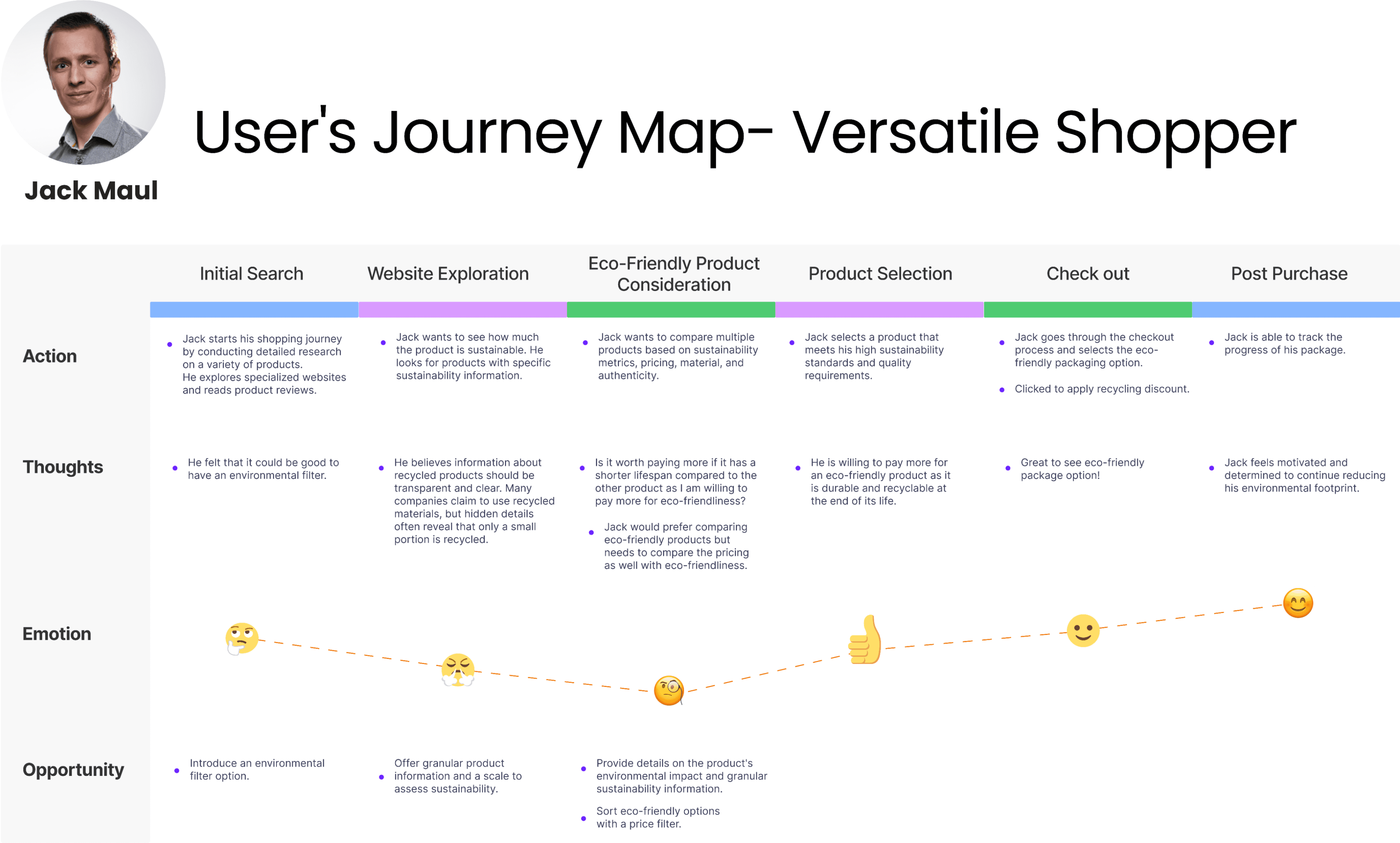
Journey Map
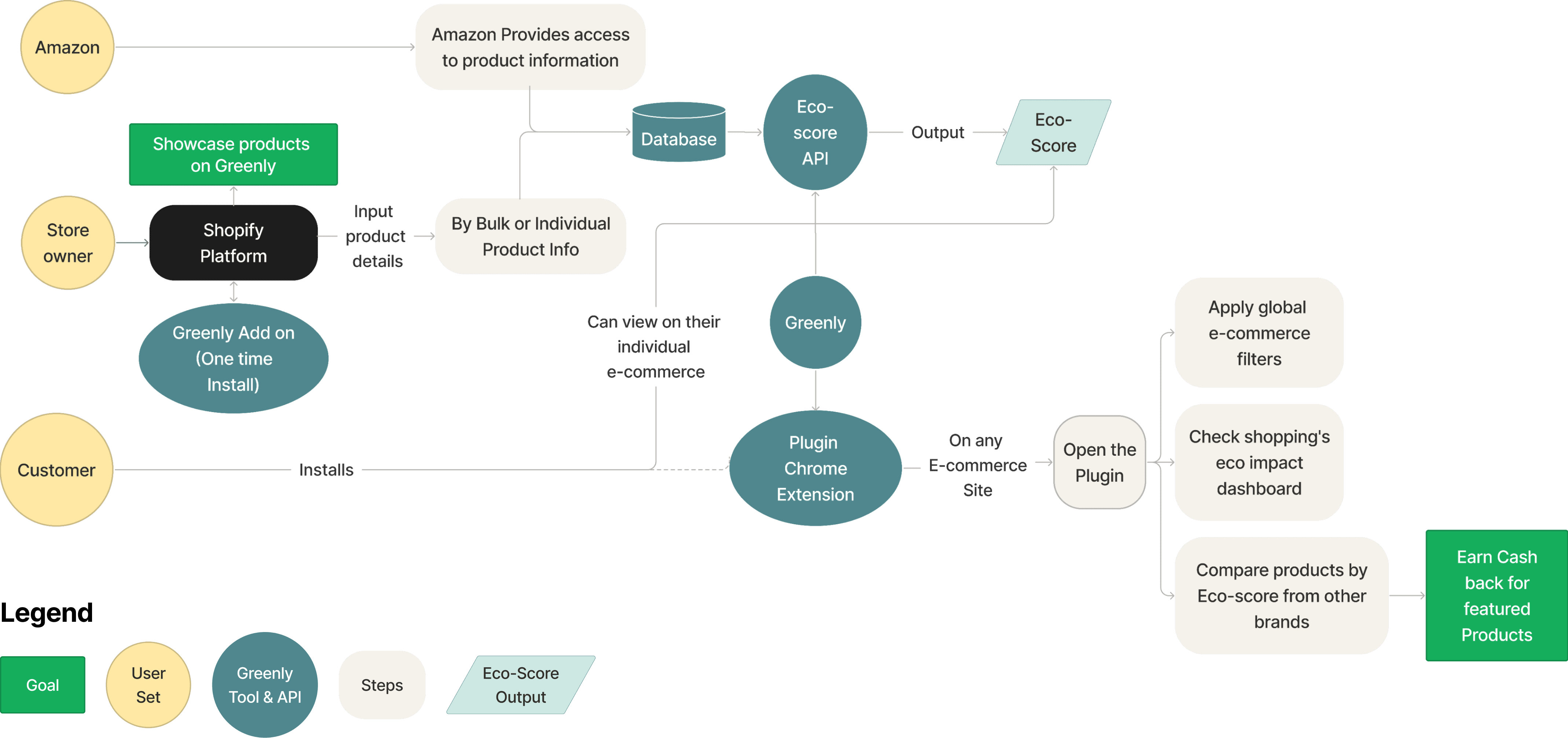
User Flow Diagram
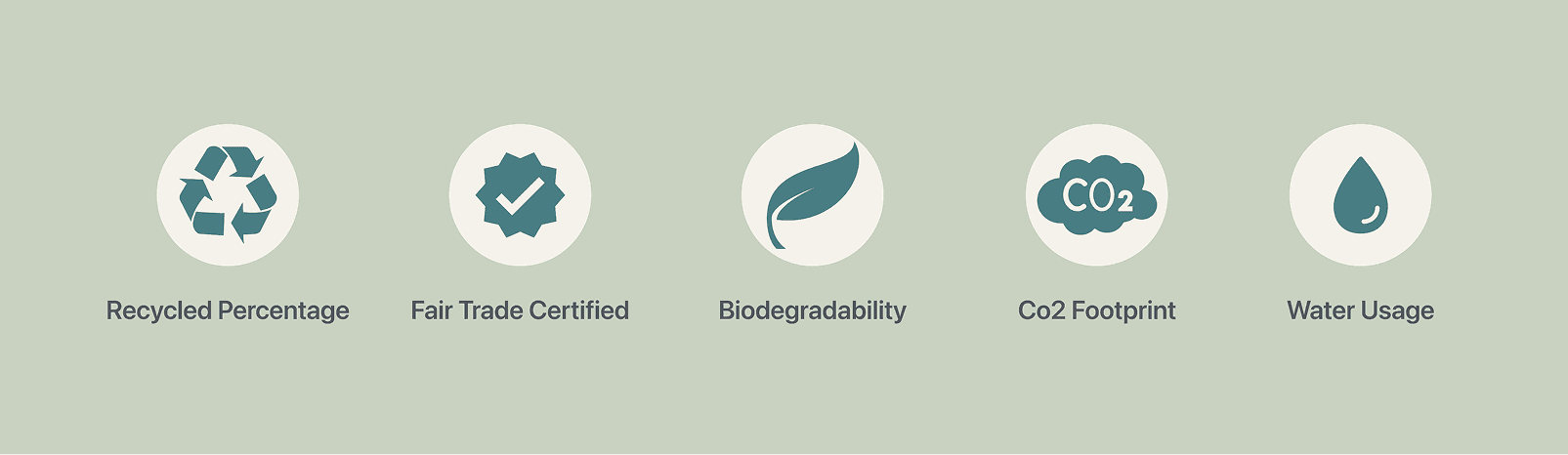
Top five sustainability factors- MVP
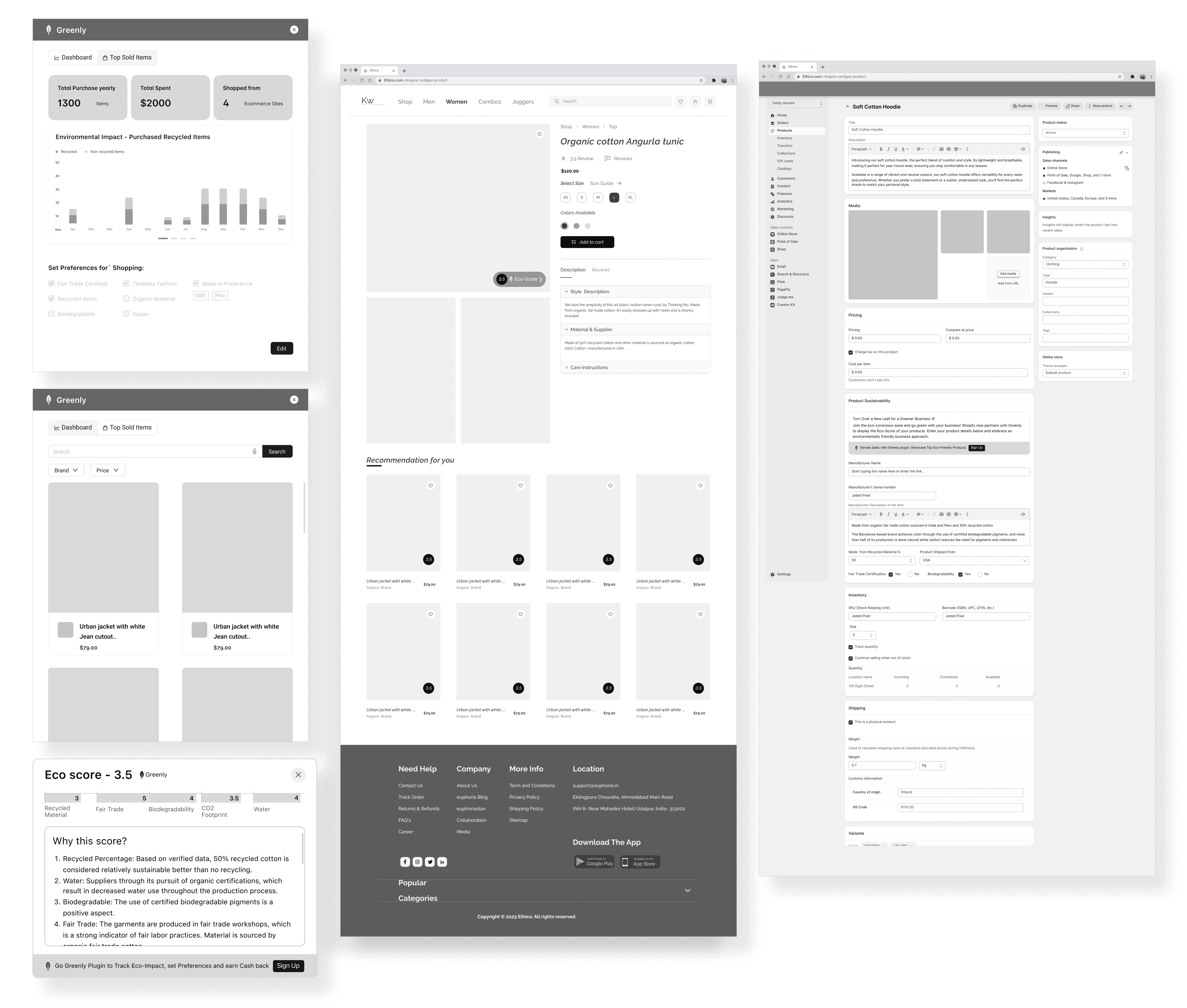
Mid-Fidelity Wireframes
Leveraging the existing design system, I picked the Low-fidelity sketches that I felt best addressed the goals and digitized them into prototypes for Usability Tests.
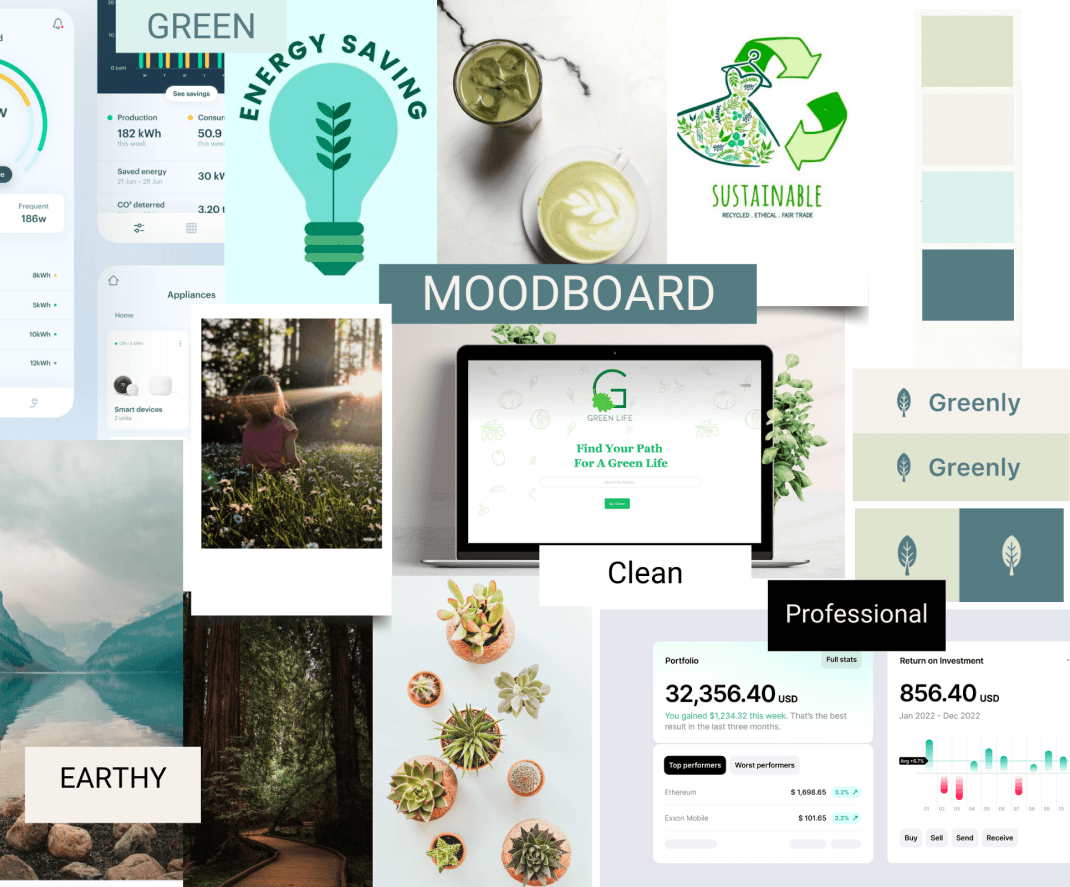
Visual Branding
Simultaneously set visuals defining – Colors, Mood board, Logo. To have a Clean, Earthy, Green, and professional Look and feel.
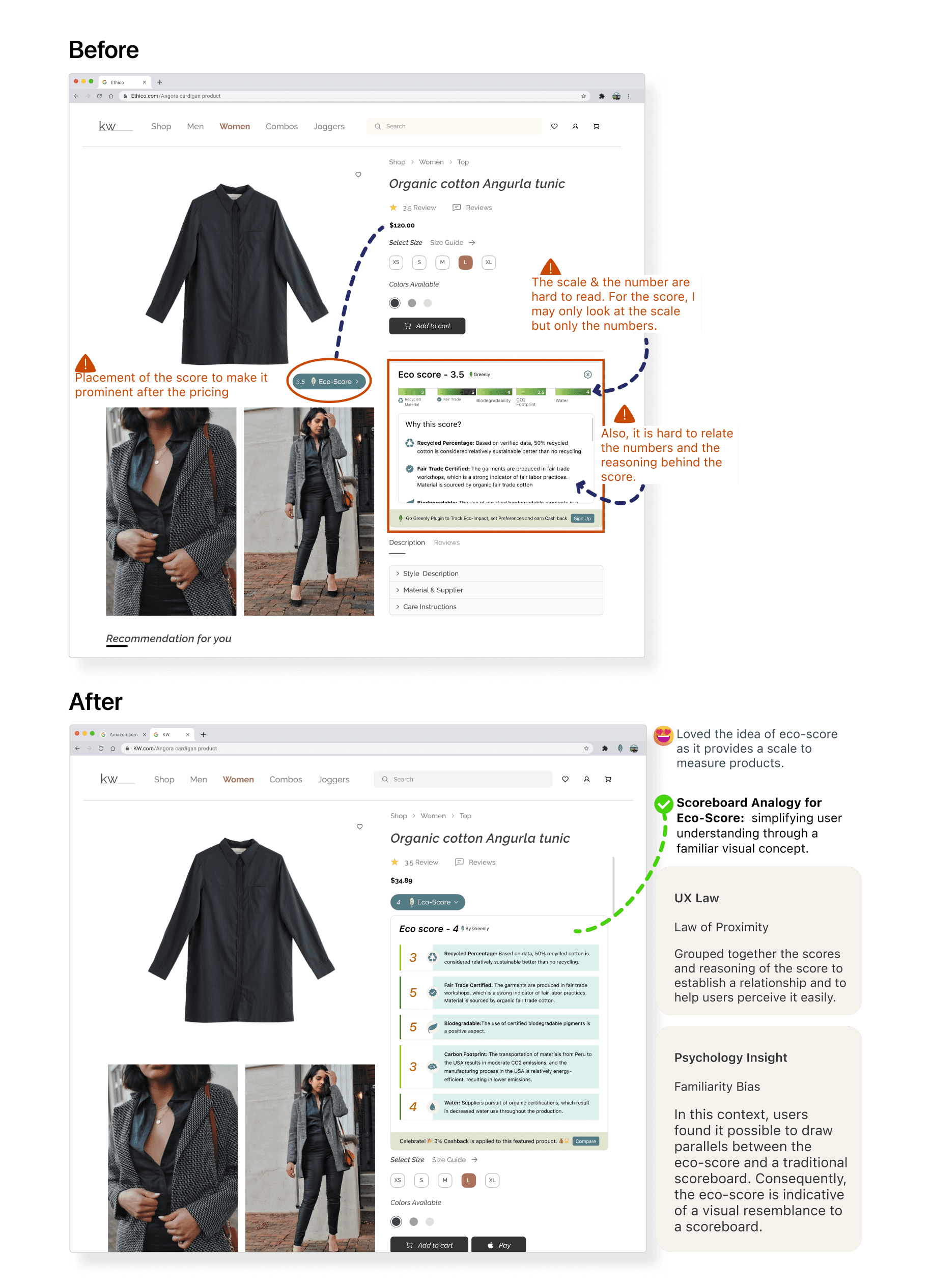
Design Decisions
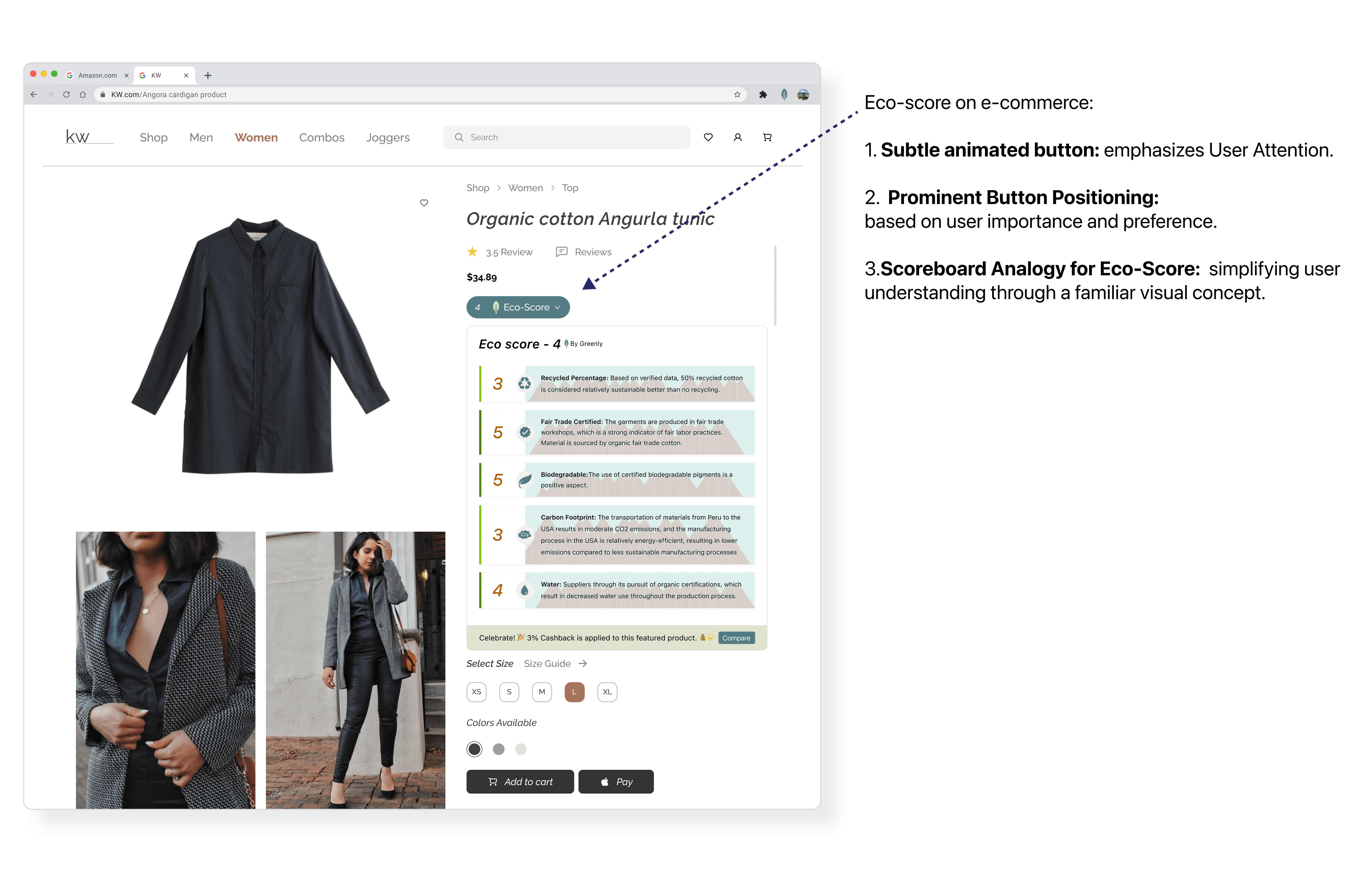
Eco Score Board
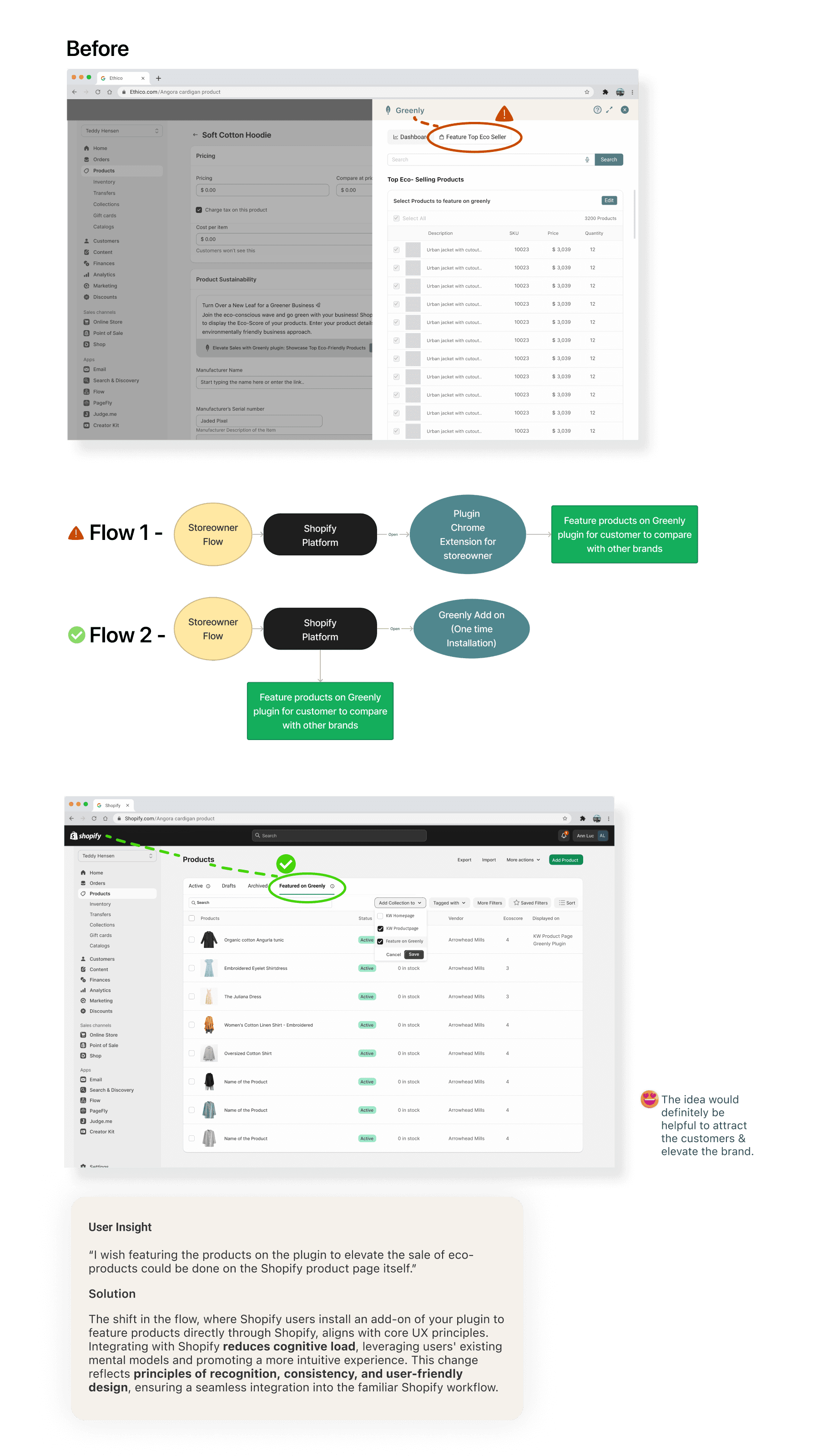
Shopify - Product Featuring
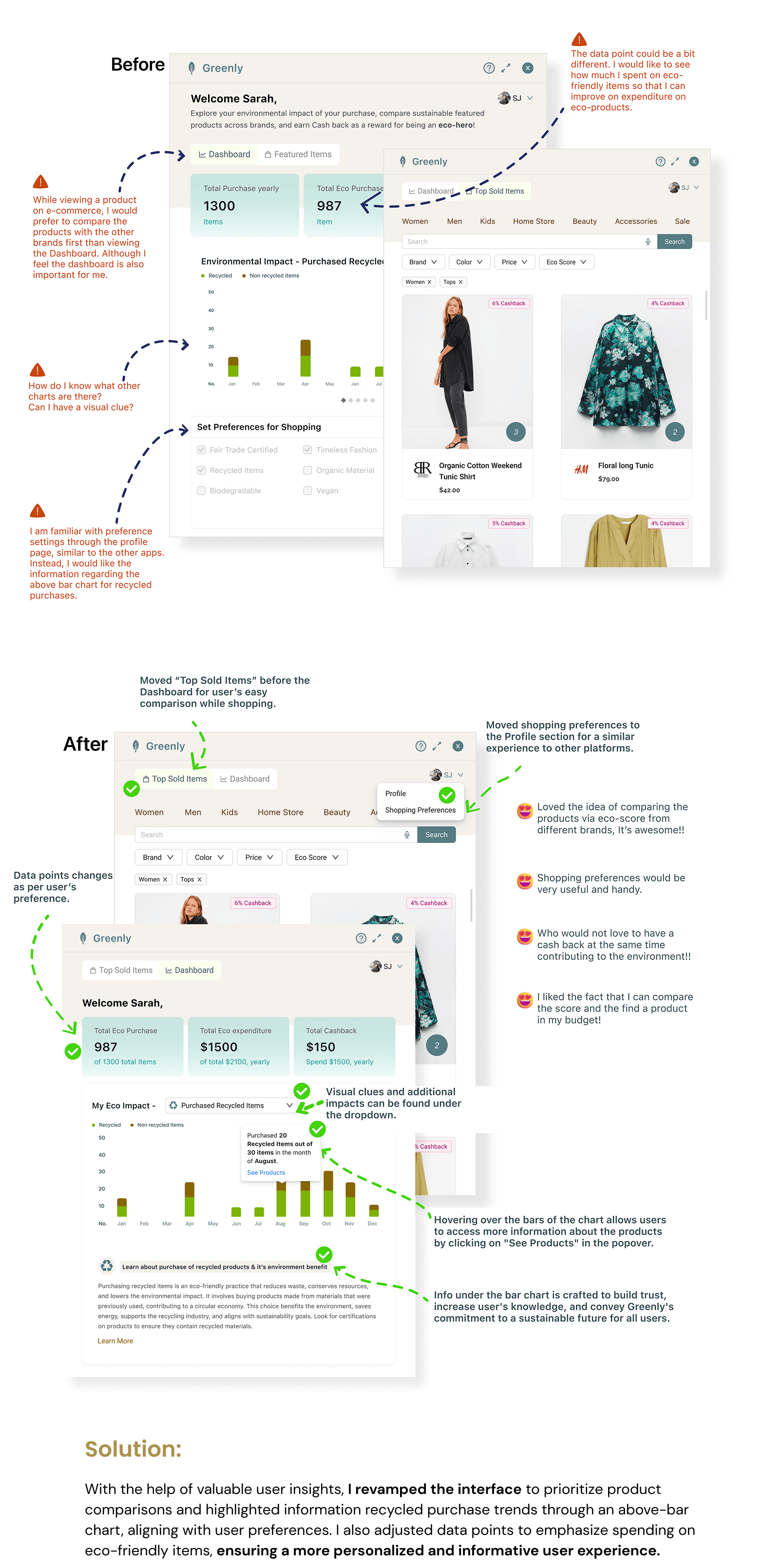
Google Chrome Extension Design
Final Screens
Eco-score
Greenly Product Comparison
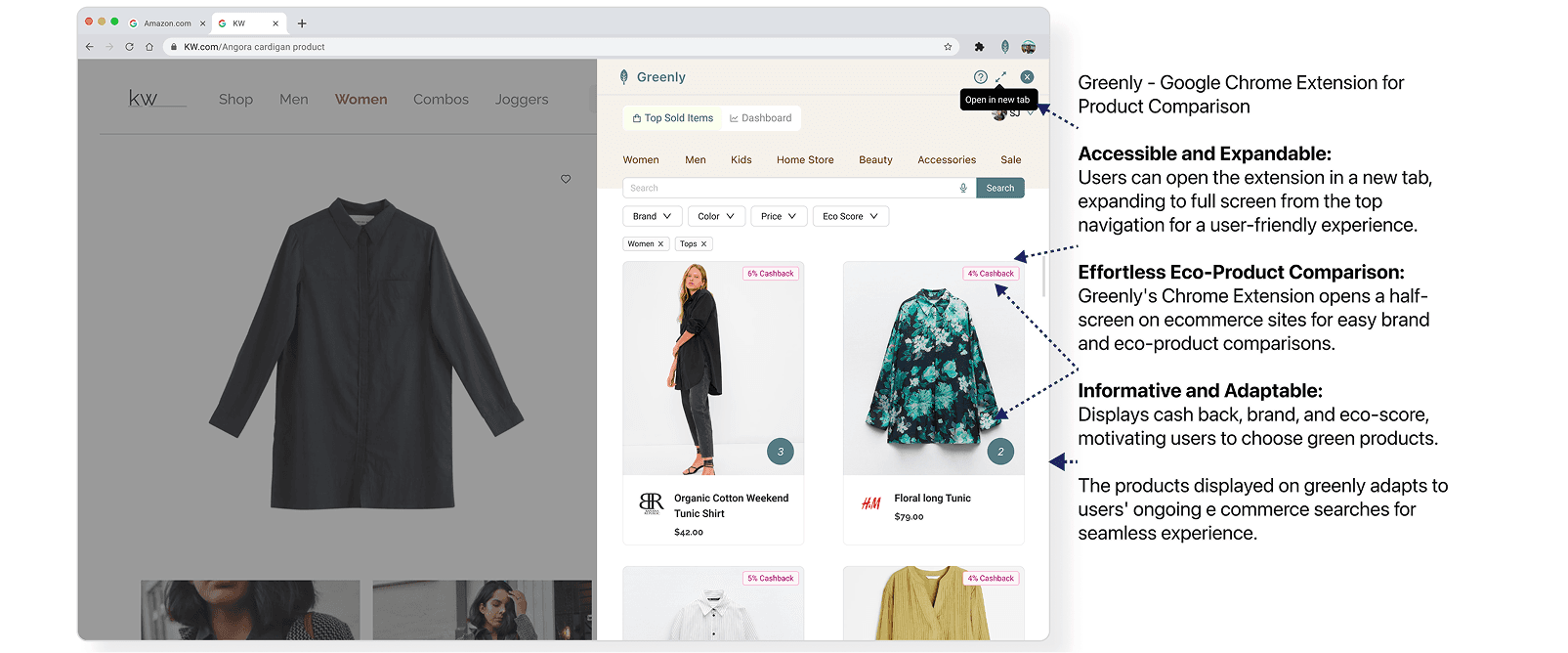
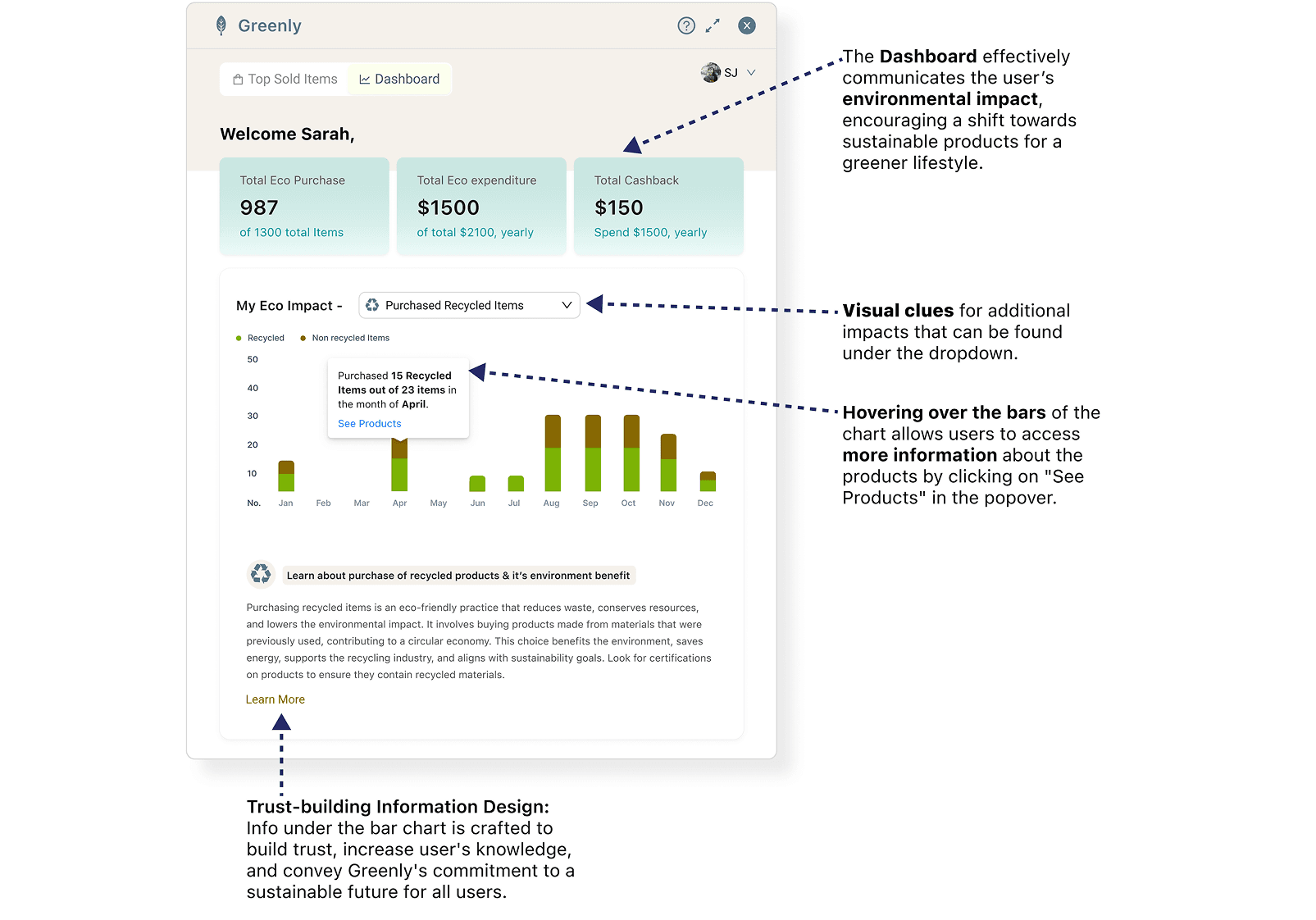
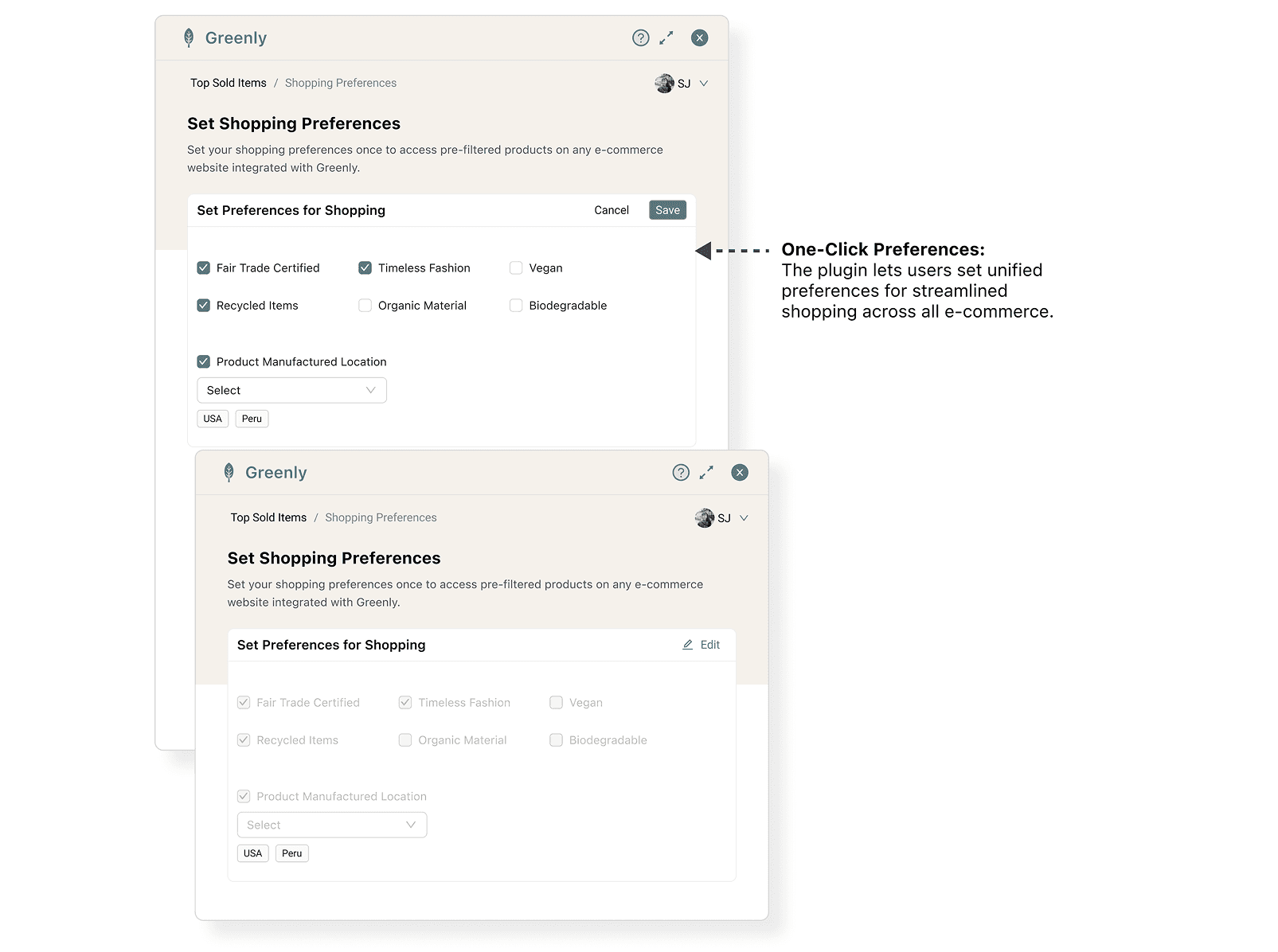
Greenly Chrome Extension
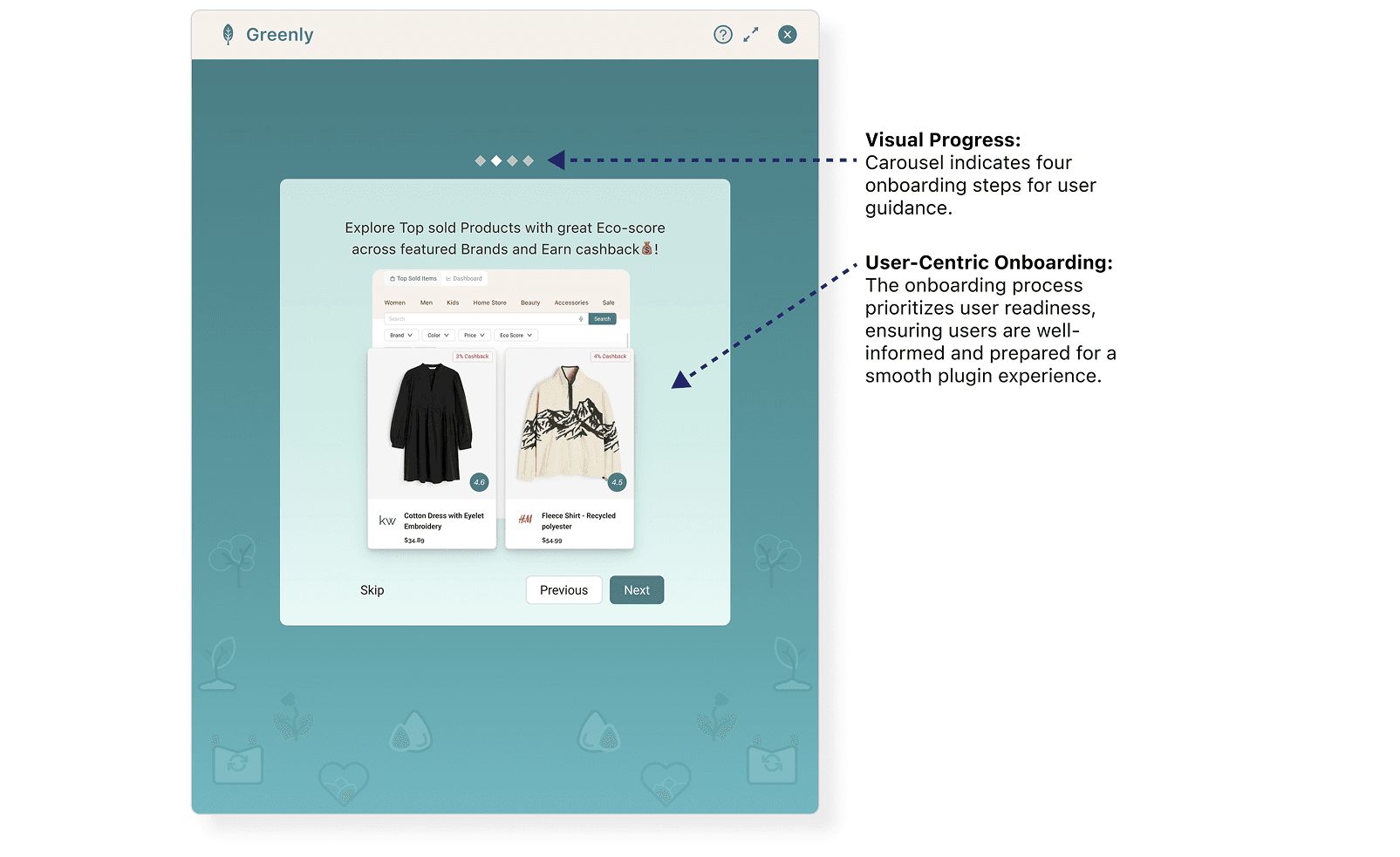
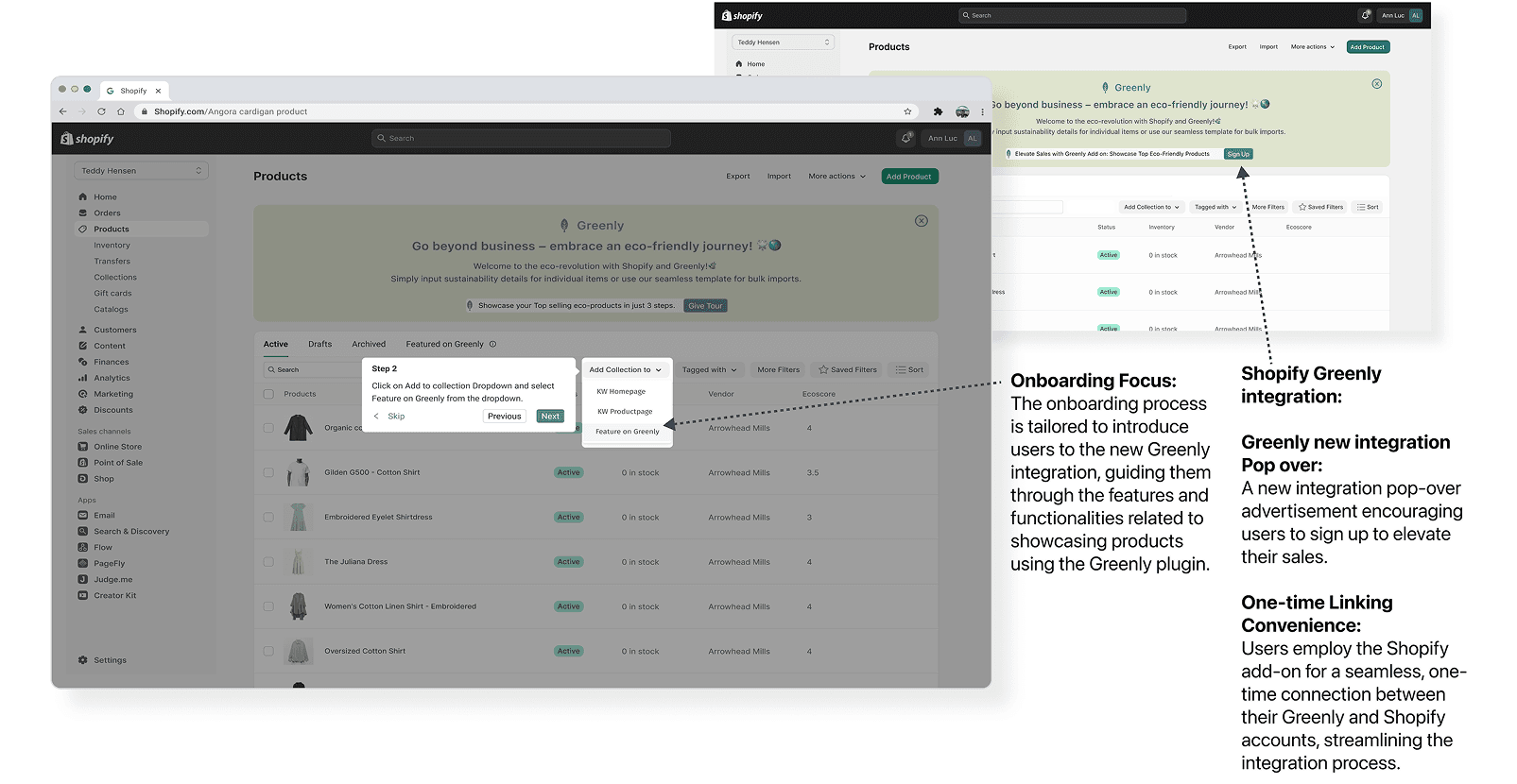
Interactive Onboarding to Feature Products on Greenly
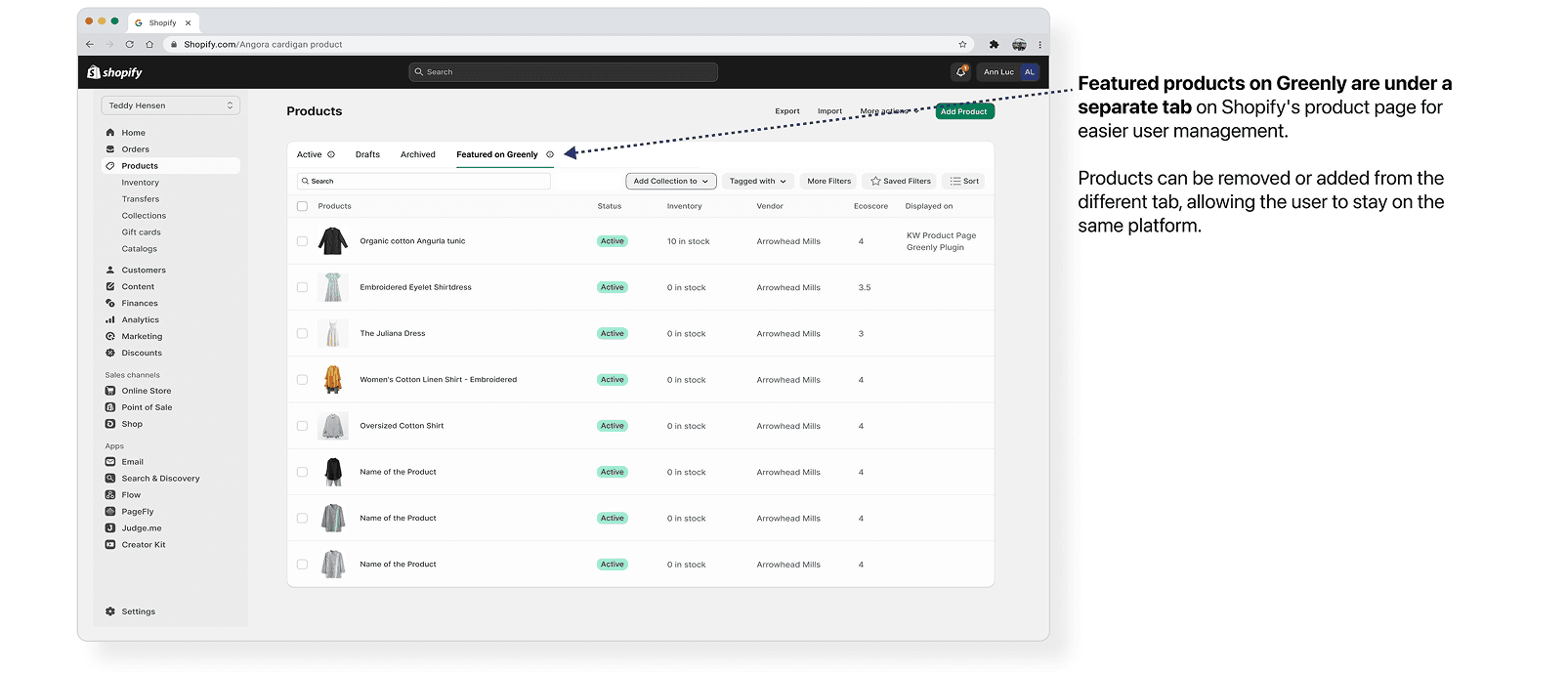
Sustainable product information after integration
Challenges
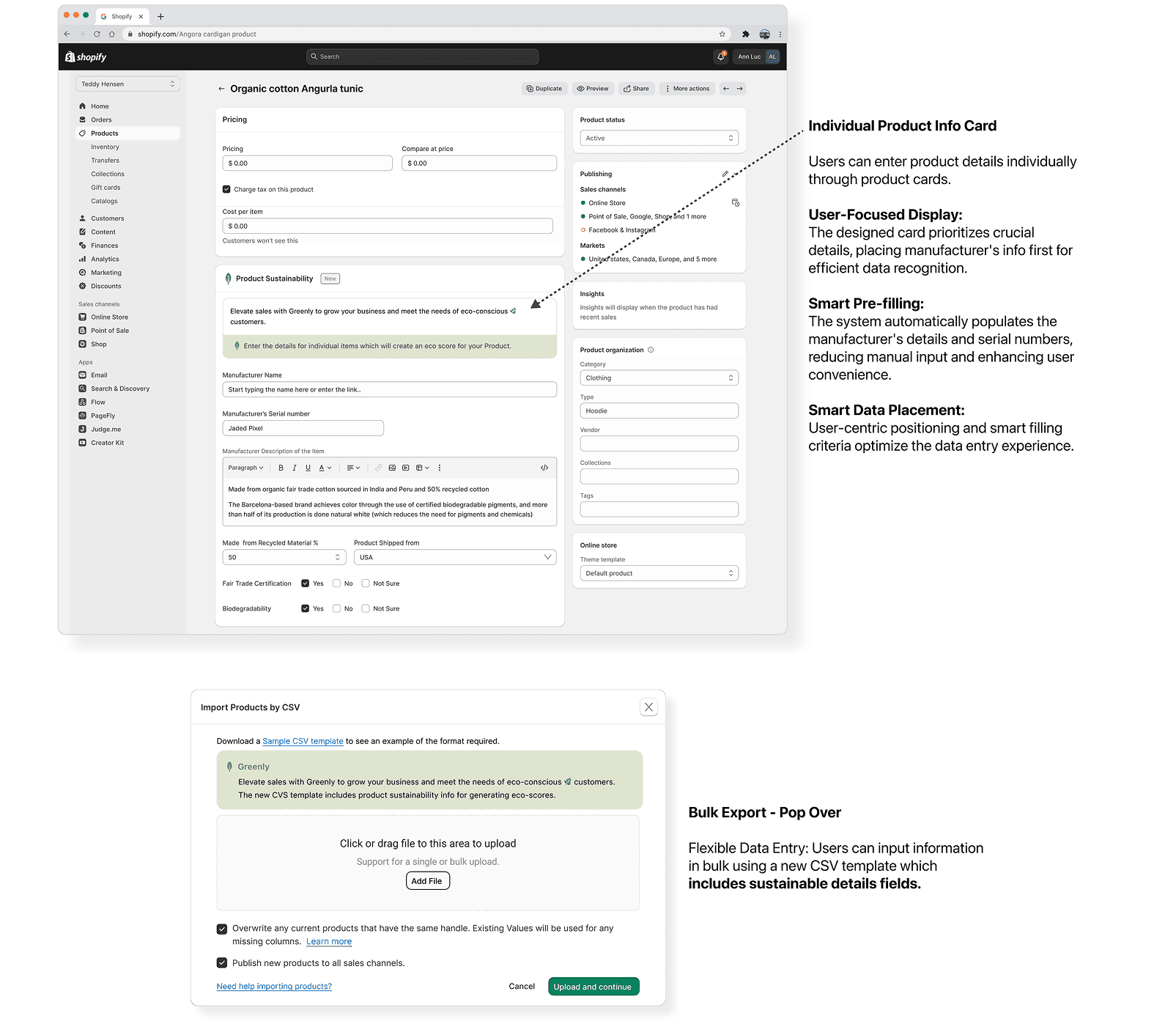
I initially faced challenges in designing the Shopify platform and its user flow. Despite having insights from Shopify users, I decided to create an account, engage with the platform, and explore its features to gain a deeper understanding of their extensive experience.
For Shopify store owners, I initially designed featuring of their products through my plugin integrated into Shopify. However, feedback indicated a preference for staying within the same platform.
This prompted me to rethink the Shopify design flow.
To find a solution, I researched how integrations work on Shopify and discovered the existence of an app store for add-ons. I delved into videos explaining how Amazon integration functions on Shopify, and I reached out to a user to validate the add-on idea. After their positive feedback, I settled on the idea of creating an “Add-On” for integration. This one-time installation would allow Shopify owners to efficiently manage their products and featured items on Greenly. This experience served as a valuable example for me to leverage user’s existing experiences when designing.
Next Steps
Continuously Iterate on User Feedback: A second round of usability testing will provide valuable insights into the user experience and usability of the platform. The findings from this testing phase will be used to refine and enhance the designs even further, ensuring that the platform meets user needs and expectations.
Enhancing plugin features: Adding a leaderboard for the most environmental impact and creating family groups to compete for the impacts. The next phase features include sizing and timeless fashion. More insights from the user research could be prioritized in the next phase.
Eco-score criteria: Keeping track of users’ needs about what environmental impact they want to see next on the board.
Reflections
Collaborative Innovation: Engaging in collaborative discussions and gathering feedback on ideas proved to be an insightful experience. The synergy of brainstorming together significantly enhanced the creative process. I grasped the importance of adaptability and flexibility in design.
User-Centric Design: Recognizing that a user's mental model differs from my own was crucial to shaping a successful end product. Understanding and aligning with their perspective contributed to a more user-centric design.
Task Efficiency: Emphasizing the importance of breaking down larger tasks into smaller, manageable components proved beneficial. This strategy not only increased efficiency but also facilitated a more focused and effective workflow